
Expert guidance from Kelly Grow Turf & Plant Management
A tree or shrub can appear perfectly healthy in October and show significant damage by early spring. Browning evergreens, branch dieback, and declining ornamental plants are often blamed on harsh winter weather. However, the underlying problems may have developed months earlier.
At Kelly Grow Turf & Plant Management, we understand that maintaining healthy trees and shrubs requires more than seasonal trimming. Soil conditions, root development, moisture availability, and proper pruning all influence how plants respond to Pennsylvania’s changing seasons.
Our approach combines horticultural knowledge, professional assessments, and customized plant care to preserve the health, structure, and natural beauty of established landscapes throughout Bucks County.
Fall Pruning: Understanding What Your Plants Actually Need
One of the most common misconceptions about fall landscape maintenance is that every tree and shrub should be cut back before winter.
In reality, improper pruning can do more harm than good.
According to Penn State Extension, unnecessary late-season pruning may encourage tender new growth that is vulnerable to freezing temperatures. For many deciduous trees, late winter is a more appropriate time for structural pruning because the trees are dormant and their branching patterns are easier to evaluate.
Fall is still an excellent opportunity to identify dead, damaged, or hazardous branches that require attention.
Why Pruning Schedules Matter
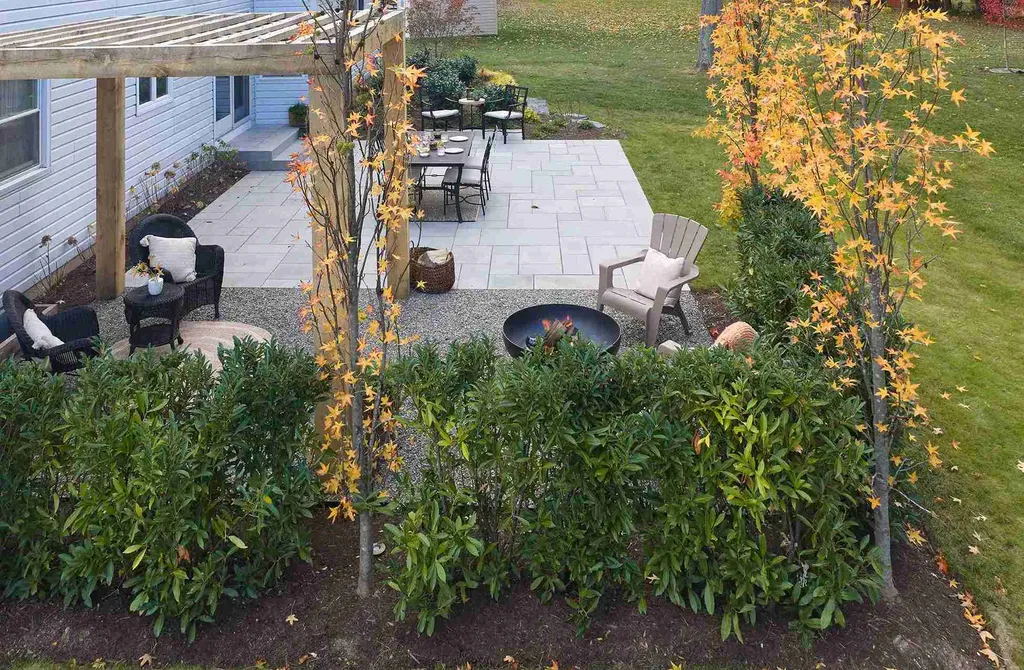
Different species respond to pruning in different ways.
Spring-flowering shrubs such as azaleas, rhododendrons, and lilacs typically develop their flower buds during the previous growing season. Pruning these plants in fall can remove the buds responsible for next spring’s flowers.
Other trees and shrubs may benefit from selective thinning, corrective pruning, or maintenance during dormancy.
At Kelly Grow Turf & Plant Management, our pruning recommendations consider the plant’s species, natural growth habits, flowering cycle, and overall condition.
The goal of professional pruning is to improve plant health and structure while preserving its natural form, not simply to reduce its size.
Protecting Evergreens from Winter Burn
Evergreens provide year-round structure, privacy, and color to residential landscapes. However, plants such as boxwoods, arborvitae, hollies, and rhododendrons can be particularly vulnerable to winter injury.
One of the most common problems is winter desiccation, also known as winter burn.
Evergreens continue losing moisture through their foliage during winter. When the ground freezes, roots may be unable to replace that moisture, resulting in browning foliage, damaged branches, or plant decline.
Penn State Extension identifies winter desiccation as a significant concern for ornamental evergreens, particularly those exposed to drying winds and winter sunlight.
How to Reduce Winter Damage
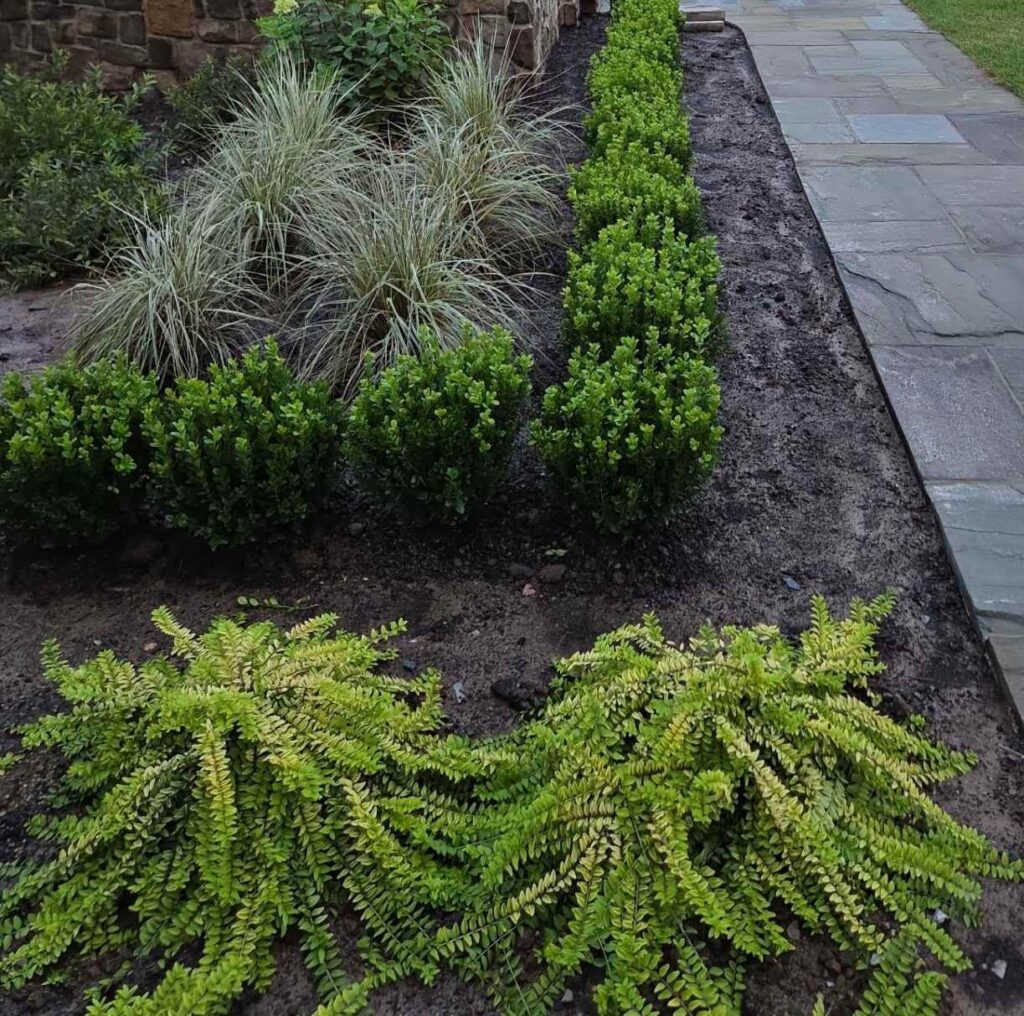
Several preventive measures can help protect vulnerable plants:
- Proper watering: Maintain adequate soil moisture during dry fall weather before the ground freezes.
- Mulching: Apply an appropriate layer of organic mulch to help regulate soil temperature and retain moisture.
- Wind protection: Consider protective barriers for susceptible evergreens in exposed locations.
- Monitoring new plantings: Recently installed trees and shrubs require additional attention while their root systems become established.
Browning foliage is not always caused by winter weather. Similar symptoms may result from disease, drainage problems, or root stress, making an accurate diagnosis important before treatment.
Healthy Soil Is the Foundation of Plant Health
The condition of a tree or shrub’s root system plays a major role in its ability to withstand environmental stress.
Compacted soil, poor drainage, and inadequate nutrient availability can interfere with root development and overall plant performance.
Throughout Bucks County, soil conditions can vary considerably between properties and even within individual landscape beds.
At Kelly Grow Turf & Plant Management, we evaluate these conditions when developing our Plant Health Care recommendations.
Depending on the needs of the property, services may include soil amendments, targeted nutrient applications, root-zone treatments, and ongoing monitoring.
The Importance of Proper Mulching
Penn State Extension recommends maintaining approximately two to three inches of organic mulch around trees while keeping it away from the trunk.
Excessive mulch piled against the bark can trap moisture and contribute to decay.
Proper mulching helps conserve soil moisture, moderate temperature fluctuations, and support a healthier growing environment.
These practices are particularly important for newly installed plantings and established ornamental trees growing in challenging soil conditions.
Recognizing Plant Health Problems Before Winter
Trees and shrubs experience stress throughout the growing season from heat, drought, insects, disease, and environmental conditions.
By fall, subtle changes in foliage, branch growth, or overall vigor may indicate underlying problems.
Yellowing leaves, for example, may suggest a nutrient deficiency, but they can also result from excessive moisture, root damage, or other conditions.
Applying fertilizer without identifying the cause may not resolve the problem.
At Kelly Grow Turf & Plant Management, our Plant Health Care services focus on understanding what is affecting a plant before recommending corrective measures.
Professional Arborist Assessments
Our ISA Certified Arborist evaluates ornamental trees and shrubs for signs of declining health, structural concerns, insect activity, and disease.
These assessments help determine whether a plant would benefit from targeted treatment, corrective pruning, soil improvements, or continued monitoring.
For properties with mature specimen trees, established gardens, and valuable ornamental plantings, early identification of problems can help prevent more extensive damage.
Effective plant management begins with an accurate assessment and a treatment plan based on the specific needs of each plant.
Planning Ahead for Dormant-Season Pruning
While fall is an appropriate time to evaluate trees and shrubs, winter often provides an ideal opportunity for more extensive pruning of many deciduous species.
Once leaves have fallen, professionals can more easily examine branch structure, identify weak attachments, and make precise pruning decisions.
Penn State Extension recognizes dormant-season pruning as an important practice for maintaining the structure and long-term health of many landscape trees.
Scheduling these services appropriately helps preserve the natural appearance of mature plantings while addressing potential structural concerns.
Professional Tree & Shrub Care in Bucks County, PA
Healthy landscapes require knowledgeable care throughout the year. Understanding how individual plants respond to seasonal changes allows us to make informed recommendations that support their long-term performance.
At Kelly Grow Turf & Plant Management, we provide professional pruning, tree and shrub health assessments, and customized Plant Health Care Programs for residential properties and estates throughout Bucks County, including Doylestown, Newtown, Yardley, Richboro, Warrington, New Hope, and surrounding communities.
Our team combines practical field experience with professional arboricultural knowledge to help maintain healthy, attractive landscapes.
Schedule a Tree & Shrub Health Assessment
Whether you have concerns about declining ornamental shrubs, mature trees, or newly installed landscaping, our team can evaluate your property and recommend appropriate care.
Contact Kelly Grow Turf & Plant Management to schedule a professional assessment or learn more about our Plant Health Care Programs.