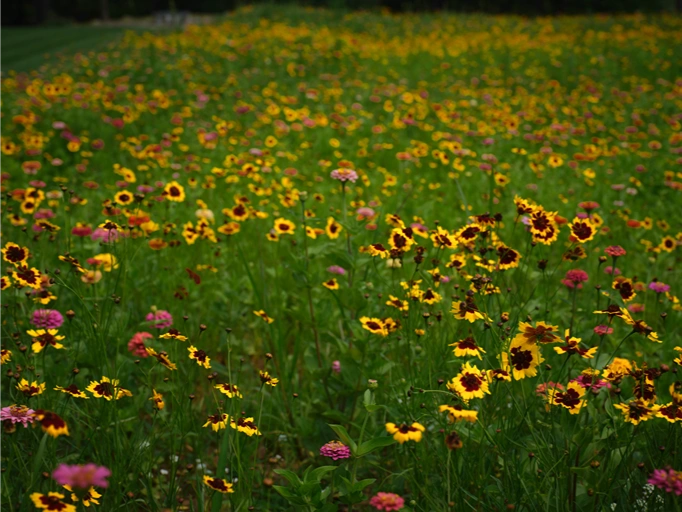
One of the first questions homeowners ask when considering a meadow is a simple one: How much does meadow installation cost? The answer depends on much more than the size of the area.
A meadow is not a one-size-fits-all landscape. The existing lawn or vegetation, site conditions, access, drainage, plant selection, establishment, long-term care, and the way the meadow fits into the rest of the property can all affect the scope of the project.
For homeowners throughout Bucks County and Upper Bucks County, we believe the better starting point is not simply asking what a meadow costs. It is understanding what you want the property to become and what level of investment makes sense for the property and the vision for the landscape.
At Kelly Grow Turf & Plant Management, that is where we begin.
What Determines Meadow Installation Cost?
There is no standard formula for professional meadow installation because no two properties are exactly alike. One homeowner may want to transform a single unused lawn area into a naturalized meadow, while another may be considering several meadow areas throughout a property, along a driveway, around an orchard, beside woodland, or across open acreage.
Both projects may involve meadow installation, but the scope can be very different. Some of the factors that influence a meadow project include the condition of the existing turf, weed and invasive plant pressure, soil and drainage conditions, access, slope, site preparation, plant selection, establishment, and the amount of ongoing management the property will require.
That is why we begin by understanding the property, the project goals, and the intended scope to determine whether a meadow project is the right fit.
Designing a Meadow to Fit the Property
A homeowner does not need to know exactly what the finished meadow should look like before beginning the conversation. That is part of what we help determine.
Once we understand the property, the areas being considered, the homeowner’s priorities, and the overall vision for the landscape, we can begin shaping the meadow installation accordingly. Sometimes that means concentrating the work in one highly visible area where the meadow will create the greatest impact.
On another property, it may mean creating several connected meadow areas that work together with existing lawn, woodland, gardens, orchards, and other landscape features.
The goal is not to fit every property into the same meadow package. The goal is to create a scope that has the greatest impact on the property as a whole.
Site Preparation Can Change the Scope of a Meadow Project
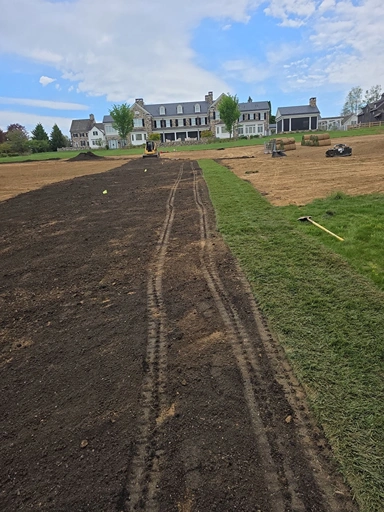
The finished meadow is the part everyone sees, but much of the work that determines whether it succeeds happens before the flowers and grasses begin to establish.
Existing turf may need to be addressed. Weed or invasive plant pressure can influence how the property is approached. Drainage, soil conditions, slope, access, and surrounding landscape all matter.
A clean lawn area with favorable conditions may require a very different approach from an area that has already become overgrown or contains difficult vegetation.
This is one reason meadow installation costs cannot be determined by the size of the area alone. The starting condition of the property matters.
What Affects the Cost of a Lawn-to-Meadow Conversion?
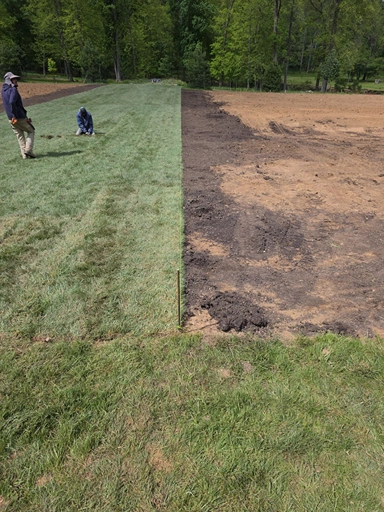
Homeowners searching for a lawn-to-meadow conversion are often looking for a way to reduce traditional turf while making the property more interesting. We think that is exactly the right way to look at it.
The objective should not simply be to remove lawn. The objective should be to determine where lawn still serves the property well and where meadow, naturalized grass, or another landscape treatment may make more sense.
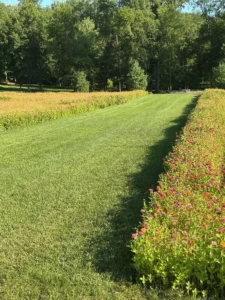
A maintained lawn may remain around the home, patio, pool, garden, or outdoor living areas. Farther away, a meadow may create a softer transition toward woodland, open land, an orchard, or another part of the property.
When these areas are planned together, the property can feel much more intentional.
Not Every Meadow Should Look the Same
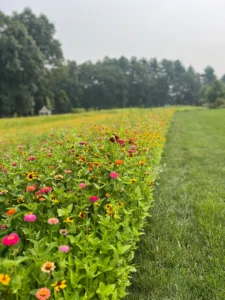
The type of meadow or no-mow landscape also affects the scope of the project. Some homeowners prefer sweeping native grasses with subtle seasonal flowers, while others envision a stronger flowering meadow with more visible color. In other areas, a naturalized grass or low-mow lawn may be the better fit, creating a softer, more relaxed landscape without turning the entire area into a flowering meadow.
Some properties call for something refined and controlled near the home. Others can support a more natural meadow farther out on the property.
The architecture of the home, views from the house, existing trees, surrounding landscape, and the way people move through the property can all influence the design.
A professional native meadow installation should respond to the property rather than look like a generic planting placed onto it.
Smaller Meadow Areas Can Still Have a Big Impact
A meadow does not require acres of land. A carefully positioned meadow on a smaller residential property can completely change the character of an area.
It may soften a driveway edge, transform a sunny slope, create a transition beside mature trees, or replace an unused section of lawn.
On larger properties, meadows can become a broader part of the landscape, extending along driveways, around orchards, across fields, or between maintained lawn and woodland.
The scale changes, but the same principle remains: the meadow should be placed where it adds the most to the property.
No-Mow Lawn Alternatives Can Be Part of the Plan
Not every area that needs less mowing has to become a flowering meadow. Sometimes a no-mow lawn alternative or naturalized grass area is a better fit.
Naturalized grasses can work beautifully beneath mature trees, along woodland edges, on slopes, or in areas where a quieter landscape is preferred.
A property may ultimately include several different treatments: traditional lawn where it is actively used, naturalized grasses in transitional spaces, and flowering meadow areas where seasonal interest makes sense.
This type of layering allows us to create a landscape around the property rather than forcing the entire property into one style.
Meadow Establishment Is Part of Professional Meadow Installation
A meadow is not finished the day it is installed. It develops.
Grasses establish, flowering plants emerge at different times, root systems strengthen, and the balance between different plants changes as the meadow matures.
That means the establishment period needs to be considered as part of the project from the beginning.
At Kelly Grow Turf & Plant Management, we think about meadow installation and meadow establishment together. Our goal is not simply to create something that looks promising on installation day. We want to consider what the landscape should become over the next several seasons.
Long-Term Meadow Management Matters
A meadow may dramatically reduce the amount of regular mowing required compared with traditional turf, but it still needs management.
Unwanted vegetation needs to be monitored during establishment. Periodic cutting can help manage woody growth and maintain the intended character of the meadow.
Conditions also change over time. Some plants become stronger while others may need attention.
This is where Kelly Grow’s background in turf, plants, soil, and long-term property care becomes especially valuable. We are thinking beyond the installation itself.
Meadows and Orchards Can Be Planned Together
Meadows and home orchards often work beautifully together. Meadow grasses and flowering plants can create a softer landscape around fruit trees while maintained lawn and mowed paths provide access where needed.
For homeowners considering an orchard as part of the larger property, PLANT Design Group has additional resources on designing and planting home orchards in Bucks County.
Rather than treating the meadow, orchard, lawn, garden, and surrounding landscape as separate projects, they can be planned as parts of one property. That often creates a much more established and cohesive result.
Can a Meadow Project Be Phased?
Sometimes the best way to approach a property is not to do everything at once. A meadow project can often be developed in stages.
The first phase may focus on the most visible or impactful area. Future phases may extend meadow into other parts of the property, add naturalized grasses, connect to an orchard, or change the relationship between lawn and woodland.
Phasing can also allow homeowners to see how the landscape develops and make thoughtful decisions about where to continue.
For some properties, that is the right approach. For others, creating the larger meadow vision at one time may make more sense.
The property and the homeowner’s priorities should guide that decision.
Why Meadow Pricing Varies by Property
Every meadow project is different, which is why pricing needs to reflect the specific property, site conditions, and overall goals for the landscape. A standard number rarely tells the full story.
It does not tell us what the existing conditions are, how much preparation is required, what kind of meadow the homeowner wants, how the site is accessed, or how the meadow should relate to the rest of the landscape.
More importantly, we want the scope of the project to be shaped by what the homeowner hopes to achieve, rather than by a number that may not reflect the property or the vision for the landscape.
We would rather begin with a conversation about the property, the priorities, and the overall vision for the landscape. From there, we can develop a scope that makes sense for the property and the goals of the project.
Shaping the Meadow Around the Property
A meadow project can take many different forms.
One homeowner may want to transform a single area of unused lawn into something beautiful and natural. Another may be thinking about meadow along a driveway, around an orchard, beside woodland, and across several areas of the property.
Both can be successful projects. The difference is how the scope is developed and where the work will have the greatest impact on the property.
That is a much more useful conversation than trying to assign a standard price to a meadow before understanding the property.
Planning Meadow Installation in Bucks County and Upper Bucks County
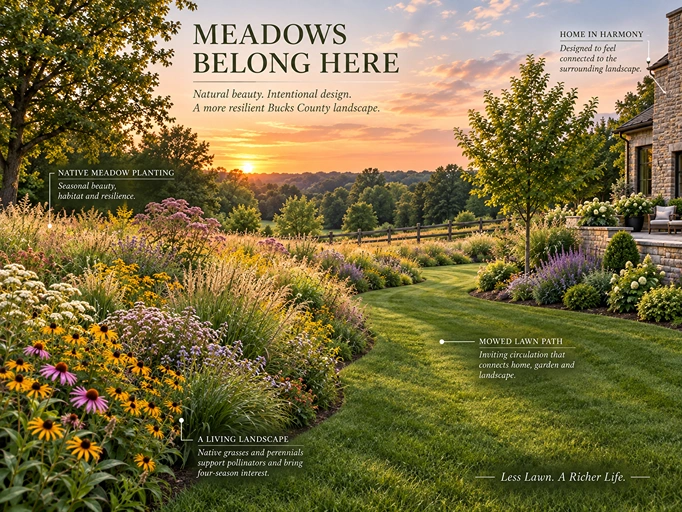
For homeowners throughout Bucks County and Upper Bucks County, a meadow can be anything from one carefully selected lawn conversion to part of a much larger transformation of the property.
At Kelly Grow Turf & Plant Management, we begin by understanding what the homeowner wants to accomplish. Which areas of lawn are working well? Which areas are not being used? Where would meadow improve the landscape? Would naturalized grasses make sense somewhere else? How should the meadow relate to the home, garden, orchard, driveway, woodland, or other parts of the property?
And just as importantly, what level of investment makes sense for the property and the vision for the landscape?
Those questions allow us to create a much more thoughtful plan.
The Right Meadow Begins With the Right Plan
When homeowners ask us how much it costs to install a meadow, we understand why. Cost matters, but so does what that investment creates.
A successful meadow should not simply occupy space where the lawn used to be. It should improve the property, feel intentional, work with the home and surrounding landscape, and be planned with an understanding of how it will mature over time.
At Kelly Grow Turf & Plant Management, that is how we approach meadow installation in Bucks County and Upper Bucks County
Considering a meadow for your Bucks County or Upper Bucks County property? Tell us about your property, your priorities, and the overall vision for the landscape. Kelly Grow Turf & Plant Management can help determine the right scope and approach for the property.