Every spring, we hear the same question from homeowners across Bucks County, PA:
“Why does crabgrass keep coming back to my lawn every year?”
The short answer is that crabgrass prevention must happen before the weed appears, not after it has already started growing.
Crabgrass is one of the most common lawn weeds in southeastern Pennsylvania. Once it begins spreading in late spring and early summer, it can quickly take over thin areas of turf and compete with healthy grass for nutrients and water.
Understanding when crabgrass germinates and how prevention works can help homeowners protect their lawns and maintain thicker, healthier turf throughout the growing season.
Here is what really matters when it comes to crabgrass prevention in Bucks County lawns.
What Crabgrass Actually Is
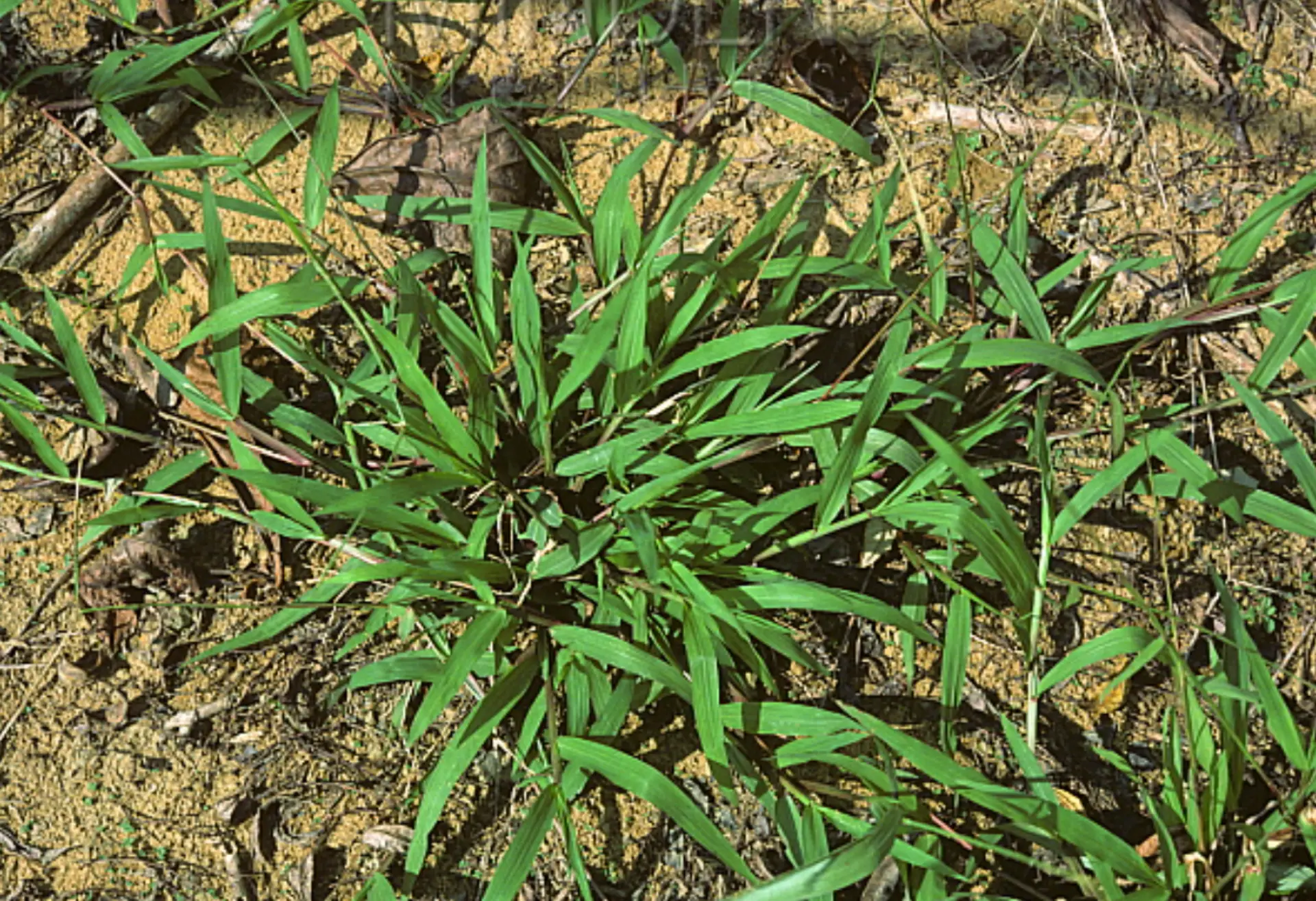
Crabgrass is a fast-growing annual weed that thrives in lawns with thin turf, compacted soil, or inconsistent lawn care.
Unlike perennial weeds that return from the same root system every year, crabgrass spreads by producing thousands of seeds that germinate the following season.
Once soil temperatures begin warming in spring, those seeds start to sprout and quickly establish themselves in open areas of the lawn.
Because crabgrass grows aggressively and spreads outward in a low, sprawling pattern, it can crowd out desirable grass and create uneven patches throughout the yard.
Why Crabgrass Is Common in Bucks County Lawns
Crabgrass thrives under conditions that are common throughout southeastern Pennsylvania.
Lawns in Bucks County often face challenges such as:
- Thin or stressed turf
- Clay-heavy soils
- Compaction from foot traffic
- Inconsistent fertilization
- Hot, humid summer weather
When turfgrass is weak or sparse, crabgrass seeds have an opportunity to germinate and establish themselves before healthy grass can fill in those areas.
This is why lawns that lack consistent fertilization and weed prevention programs often see crabgrass return year after year.
How Crabgrass Prevention Actually Works
The key to controlling crabgrass is stopping it before it begins growing.
Professional lawn care programs use pre-emergent weed control, which creates a barrier in the soil that prevents crabgrass seeds from successfully germinating.
When applied at the correct time in early spring, pre-emergent treatments dramatically reduce crabgrass outbreaks before they ever become visible.
Because timing is critical, these applications are scheduled based on soil temperature trends, not simply calendar dates.
Why Timing Matters for Crabgrass Prevention
Crabgrass seeds typically begin germinating when soil temperatures consistently reach the mid-50 degree range.
In Bucks County, that window usually occurs in early to mid-spring, depending on weather patterns.
Applying pre-emergent treatments too late can allow crabgrass seeds to germinate before the barrier is in place.
Applying treatments too early can reduce their effectiveness later in the season.
This is why professional lawn care programs carefully monitor soil temperatures and seasonal conditions before scheduling applications.
The Role of Lawn Density in Preventing Crabgrass
One of the most effective defenses against crabgrass is a thick, healthy lawn.
Dense turfgrass naturally blocks sunlight from reaching the soil surface, making it more difficult for crabgrass seeds to germinate.
Lawns that receive consistent fertilization, proper mowing, and seasonal aeration are much more likely to maintain the turf density needed to suppress weeds naturally.
Over time, stronger turf reduces the number of open areas where crabgrass can take hold.
Why Some Lawns Struggle With Crabgrass Every Year
Many homeowners try to control crabgrass using store-bought products or spot treatments once the weed becomes visible.
Unfortunately, by the time crabgrass appears above the surface, the plant has already established a strong root system.
At that point, treatments are far less effective and often require multiple applications to control the problem.
A proactive lawn care program that focuses on prevention, turf density, and seasonal fertilization typically produces much better long-term results.
Building a Lawn That Naturally Resists Weeds
Healthy lawns are far more resistant to weed pressure.
Professional lawn care programs strengthen turf through consistent seasonal treatments that support:
- Stronger root systems
- Balanced turf growth
- Improved soil health
- Better drought resistance
As turf becomes thicker and more resilient, crabgrass and other weeds have fewer opportunities to invade the lawn.
Professional Crabgrass Prevention in Bucks County
At Kelly Grow Turf and Plant Management, our lawn care programs are designed around the specific soil conditions and seasonal growth patterns found throughout Bucks County.
Our turf management programs include early-season crabgrass prevention, fertilization treatments, and targeted weed control to help homeowners maintain thicker, healthier lawns.
By combining proper timing, professional-grade products, and consistent lawn care practices, we help reduce weed pressure and support long-term turf health.
Get Your Lawn Ready for the Growing Season
If crabgrass has been a recurring problem in your lawn, prevention is the most effective solution.
Kelly Grow Turf and Plant Management provides professional lawn fertilization and weed control services throughout Bucks County, including Doylestown, Warrington, Warminster, and surrounding communities.
If you want your lawn to stay healthier and more resistant to weeds this season, request an evaluation today and let our team help you build a stronger turf foundation.
Kelly Grow Turf and Plant Management
1775 Stout Drive, Unit A
Warminster, PA 18974
Phone: 267-962-6527
Email: info@kellygrowturf.com
Instant Quote Tool: https://kellygrowturf.com/instant-quote/